Car Insurance in Oklahoma
Updated June 22, 2026 · 5 min read
Oklahoma minimum requirements at a glance
Oklahoma requires 25/50/25 liability coverage: $25,000 per person for bodily injury, $50,000 per accident, and $25,000 for property damage. Oklahoma is an at-fault state.
State minimum coverage requirements
Under Oklahoma Statutes Title 47 Section 7-601, all Oklahoma drivers must maintain the following minimum coverage:
- $25,000 bodily injury per person
- $50,000 bodily injury per accident
- $25,000 property damage per accident
Driving without insurance in Oklahoma results in a fine of $250 for a first offense and up to $1,000 for subsequent offenses. Your license plates may be impounded, and you must provide proof of current insurance and pay a reinstatement fee before driving privileges are restored. Oklahoma uses an online verification system that allows law enforcement to confirm coverage status during a traffic stop. An SR-22 certificate is required after certain violations, including DUI convictions and driving without insurance, and must remain on file for three years.
Is Oklahoma a no-fault state?
No. Oklahoma is an at-fault state.
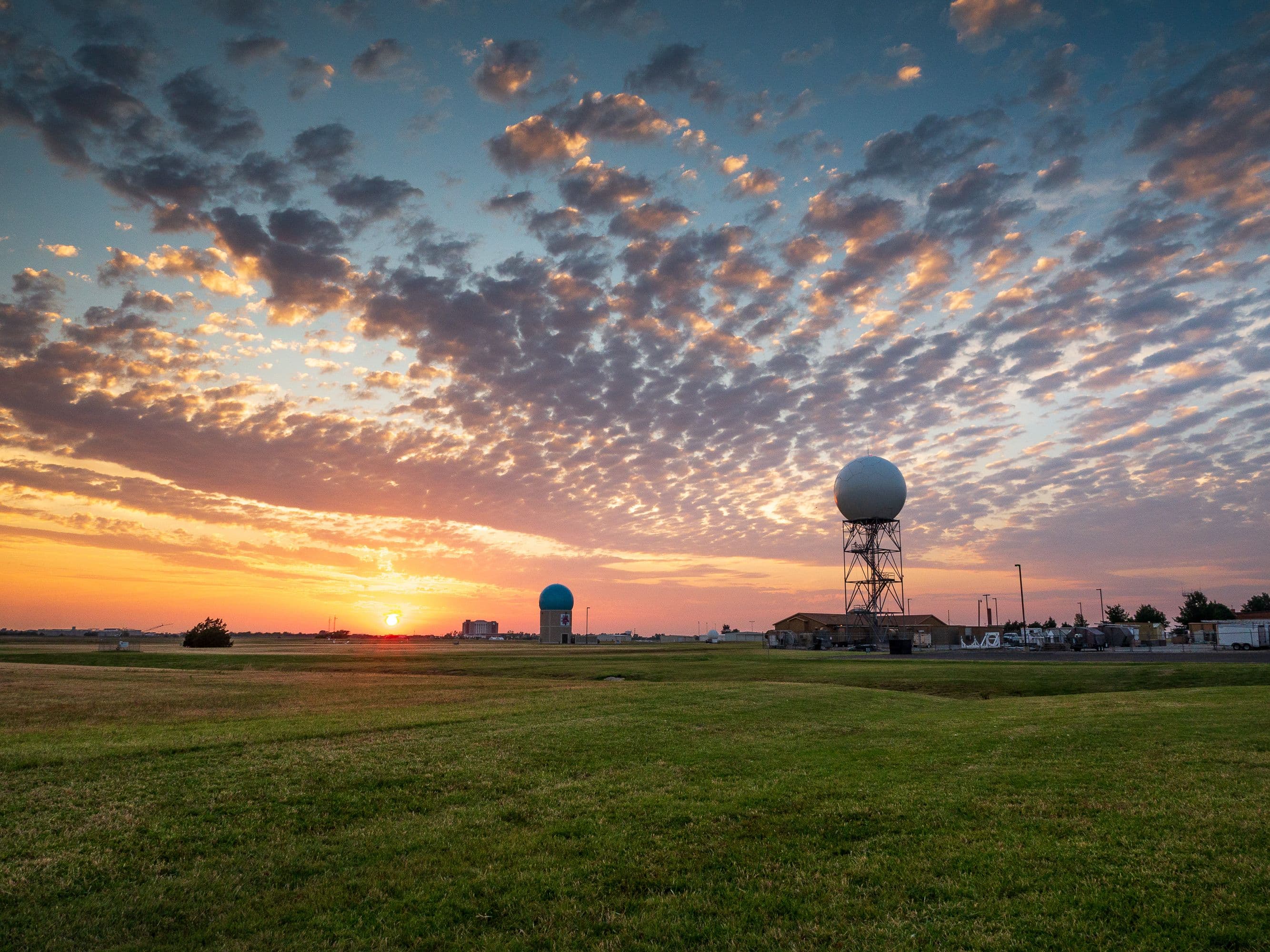
Oklahoma is an at-fault state that applies a modified comparative fault rule with a 51 percent threshold. If you are found 50 percent or less at fault for an accident, you can recover compensation from the other driver, reduced proportionally by your share of responsibility. If you are 51 percent or more at fault, you cannot recover anything from the other party. A driver found exactly 50 percent at fault retains a right to recover half their damages; a driver found 51 percent at fault recovers nothing, the threshold creates a meaningful dividing line. Oklahoma's at-fault system means that insurance claims are resolved based on fault determination. If you are found responsible for an accident, your liability coverage pays the other driver's damages up to your policy limits. Anything above those limits becomes your personal responsibility. Oklahoma courts can enforce civil judgments against wages, bank accounts, and property, and there is no bankruptcy protection for most civil accident judgments. The state minimum 25/50/25 limits can be exhausted by a single hospitalization or a moderate accident involving multiple injured parties. Oklahoma's driving environment includes two major metropolitan areas, Oklahoma City and Tulsa, connected by the I-44 Turner Turnpike, which is one of the more heavily traveled toll roads in the south-central United States. The state's central location and highway network also make it a significant corridor for commercial truck traffic, which creates a distinct accident risk on interstates. Oklahoma's severe weather profile is perhaps the most significant insurance consideration specific to this state, it sits at the heart of Tornado Alley and experiences some of the most frequent and intense hailstorms of any state in the country, which produces consistently high comprehensive claims across all regions.
What the state minimum covers and does not cover
Oklahoma's 25/50/25 liability minimum covers only injuries and property damage you cause to other people. It does not cover:
- Damage to your own vehicle from a collision
- Your own medical expenses after an accident
- Losses caused by an uninsured or underinsured driver
- Theft, weather events, or vandalism to your vehicle
Uninsured motorist coverage in Oklahoma
Oklahoma insurers must offer uninsured and underinsured motorist coverage, and drivers may reject it in writing. Oklahoma has a meaningful population of uninsured drivers, and the financial consequences of being hit by one without UM coverage can be significant. UM coverage pays your medical expenses and vehicle damage when an at-fault driver has no insurance. UIM coverage fills the gap when the at-fault driver's policy is not enough to cover your full losses. Carrying both at limits matching your liability coverage is the standard recommendation for Oklahoma drivers.
How credit affects your rate in Oklahoma
Oklahoma permits insurers to use a credit-based insurance score as one factor when pricing auto policies. The check is a soft inquiry and does not affect your credit report or credit score. Oklahoma law requires insurers to notify you if credit information results in an adverse action on your policy, giving you the opportunity to review your credit report for inaccuracies. If your credit has improved since your last renewal, shopping new quotes across multiple carriers is worthwhile because carriers weight credit differently and improvements in your score can reduce your premium even without any change in your driving record.
Recommended coverage levels
Most advisors recommend carrying at least 100/300/100 liability in Oklahoma. The 25/50/25 state minimum can be consumed by a single hospitalization in a serious accident, and the liability exposure in Oklahoma's active litigation environment makes adequate limits especially important. Oklahoma's 51 percent modified comparative fault threshold means drivers who are less than half at fault retain recovery rights, which often motivates the other party to file claims. Comprehensive coverage is especially relevant in Oklahoma given the state's position at the heart of Tornado Alley and one of the most hail-prone regions in the country. Oklahoma City and Tulsa are among the most hail-impacted urban markets in the United States, and widespread hail events that total or severely damage hundreds of vehicles in a single storm are common, particularly in spring. Tornado damage to parked vehicles, while less common than hail damage, also occurs and is covered under comprehensive. If your vehicle is financed or leased, collision and comprehensive are required by your lender. For vehicles you own outright, comprehensive is especially important in Oklahoma given the weather exposure, it is one of the states where comprehensive coverage typically provides the most concrete value relative to the premium cost. Adding UM and UIM at limits matching your liability coverage provides protection against Oklahoma's uninsured driver population, which is above the national average, and ensures you are not left without recourse after a serious accident.
How insurers determine your rate in Oklahoma
Oklahoma insurers use your driving record, zip code, vehicle type, age, annual mileage, and credit-based insurance score to calculate your premium. Oklahoma City and Tulsa produce higher premiums than rural Oklahoma because of accident frequency and repair costs in urban markets. Hail frequency across the state drives comprehensive premiums higher than in most states, particularly along the I-35 and I-44 corridors. At-fault accidents and moving violations typically affect your rate for three to five years. Because each insurer weights these factors differently, comparing quotes from multiple carriers at renewal is the most reliable way to find the most competitive rate for your specific profile.
SR-22 requirements in Oklahoma
An SR-22 in Oklahoma is a certificate filed by your insurer with the Department of Public Safety confirming you carry at least the state minimum liability coverage. You may be required to maintain an SR-22 after a DUI conviction, after driving without insurance, or after certain serious traffic violations. The requirement typically lasts three years from the triggering event, and your license remains suspended until the SR-22 is on file. If your policy lapses during the SR-22 period, your insurer must notify the Department of Public Safety immediately, which reinstates your suspension. Not all insurers handle SR-22 filings, so drivers who need one should specifically look for carriers that serve the non-standard auto insurance market in Oklahoma.
Compare Oklahoma car insurance quotes
Enter your Oklahoma zip code and compare personalized rates from top carriers in minutes. Free, no obligation, no spam calls.
Get a Free Oklahoma Quote