Car Insurance in North Dakota
Updated June 22, 2026 · 5 min read
North Dakota minimum requirements at a glance
North Dakota requires 25/50/25 liability coverage plus $30,000 in Personal Injury Protection and mandatory uninsured motorist coverage. North Dakota is a no-fault state.
State minimum coverage requirements
Under North Dakota Century Code Section 26.1-41-01, all North Dakota drivers must maintain the following minimum coverage:
- $25,000 bodily injury per person
- $50,000 bodily injury per accident
- $25,000 property damage per accident
- $30,000 Personal Injury Protection (PIP)
Driving without insurance in North Dakota results in a fine and license suspension. Reinstating your license requires proof of current coverage and payment of reinstatement fees. SR-22 filing is required after DUI convictions and certain other violations. North Dakota requires you to carry proof of financial responsibility at all times.
How no-fault insurance works in North Dakota
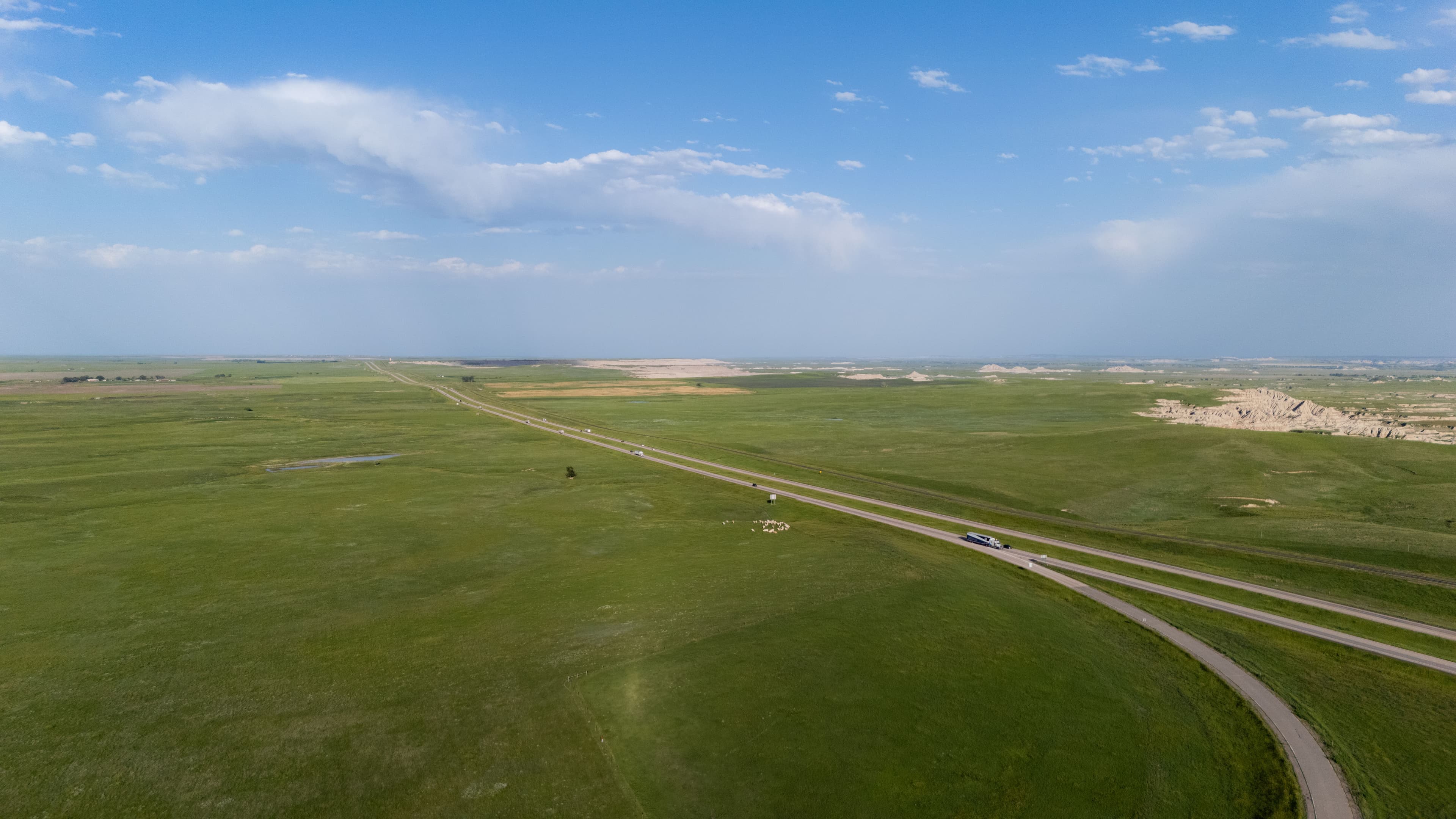
North Dakota is a no-fault state. Your own PIP coverage pays for your medical expenses and a portion of lost wages up to $30,000 after any accident regardless of who caused it. The $30,000 PIP limit is meaningfully higher than many no-fault states and provides substantial coverage for moderate-to-serious injuries without requiring a fault determination. PIP pays promptly after an accident while any liability investigation or legal process is still underway. To step outside the no-fault system and bring a tort claim against an at-fault driver for pain and suffering and other non-economic damages, your accident-related medical expenses must exceed $2,500, or your injuries must include death, permanent disfigurement, or permanent serious injury. For most minor and moderate accidents, the no-fault system handles medical and wage-loss claims and the tort system is restricted. North Dakota applies a modified comparative fault rule with a 51 percent threshold for tort claims that meet the qualifying criteria. North Dakota's driving environment is shaped by harsh winters with heavy snowfall, ice, and wind-driven reduced visibility across the state's flat plains. Winter driving conditions in North Dakota are among the most severe in the continental United States, particularly in the northern and western regions. The state also has a significant deer and wildlife population that creates collision risk year-round, and grain and agricultural equipment on rural roadways during harvest season adds another category of collision risk. North Dakota's oil patch region in the western part of the state generates heavy truck traffic on rural roads that were not designed for this volume, which has affected accident rates in those areas.
What the minimum coverage does not include
North Dakota's minimum requirements leave significant gaps. The mandatory coverage does not pay for:
- Damage to your own vehicle from a collision
- Theft, flooding, or weather damage to your vehicle
- Medical costs beyond $30,000 without additional coverage
- Pain and suffering for injuries below the no-fault threshold
Uninsured motorist coverage is mandatory
North Dakota requires all auto insurance policies to include uninsured motorist coverage at limits matching the policyholder's liability coverage. UM coverage pays your medical expenses and other losses when an at-fault uninsured driver causes a serious accident that exceeds what your PIP covers. UIM coverage fills the gap when an at-fault driver's policy is insufficient. Because mandatory UM must match your liability limits, raising liability automatically raises your UM protection.
How credit affects your rate in North Dakota
North Dakota permits insurers to use a credit-based insurance score as one factor when pricing auto policies. The check is a soft inquiry and does not affect your credit report or credit score. North Dakota law requires insurers to notify you if credit information results in an adverse action on your policy, giving you the opportunity to review your credit report for inaccuracies. If your credit has improved since your last renewal, shopping new quotes across multiple carriers is worthwhile because carriers weight credit differently and improvements in your score can reduce your premium even without any change in your driving record.
Recommended coverage levels
North Dakota's $30,000 mandatory PIP provides substantial immediate medical coverage, but the $25,000 per person bodily injury liability limit is the minimum legal exposure you carry if you cause an accident. Most advisors recommend raising liability to at least 100/300/100. Because mandatory UM must match your liability limits, raising liability also automatically raises your UM protection. North Dakota's harsh winters create significant collision risk. The state experiences extended periods of snow, ice, and wind-driven blizzard conditions that reduce visibility on open highways to near zero. Single-vehicle accidents on icy roads and multi-car pile-ups during blizzard conditions are common winter claims. Collision coverage pays for your vehicle damage regardless of fault, which is particularly valuable when accidents occur in poor weather where fault attribution can be complicated. North Dakota's deer and wildlife population creates substantial comprehensive risk, particularly on rural highways in the eastern half of the state. Hail damage from spring and summer thunderstorms is also a meaningful comprehensive risk, North Dakota sits at the northern edge of hail-prone Great Plains weather patterns, and significant hailstorms produce widespread vehicle damage. If your vehicle is financed or leased, collision and comprehensive are required by your lender. For vehicles you own outright, carry both on any vehicle with meaningful remaining value. North Dakota's combination of weather and wildlife exposure makes these coverages particularly cost-effective relative to the risks drivers face on this state's roads.
How insurers determine your rate in North Dakota
North Dakota insurers use your driving record, zip code, vehicle type, age, annual mileage, and credit-based insurance score to calculate your premium. Fargo and Bismarck produce higher premiums than rural North Dakota, though the state overall is priced below the national average due to its low population density. Winter weather significantly increases collision claims across the state, and deer-vehicle collisions are common on rural roads. At-fault accidents and moving violations typically affect your rate for three to five years. Because each insurer weights these factors differently, comparing quotes from multiple carriers at renewal is the most reliable way to find the most competitive rate for your specific profile.
SR-22 requirements in North Dakota
An SR-22 in North Dakota is a certificate filed by your insurer with the Department of Transportation confirming you carry at least the state minimum liability coverage. You may be required to maintain an SR-22 after a DUI conviction, after driving without insurance, or after certain serious traffic violations. The requirement typically lasts three years from the triggering event, and your license remains suspended until the SR-22 is on file. If your policy lapses during the SR-22 period, your insurer must notify the Department of Transportation immediately, which reinstates your suspension. Not all insurers handle SR-22 filings, so drivers who need one should specifically look for carriers that serve the non-standard auto insurance market in North Dakota.
Compare North Dakota car insurance quotes
Enter your North Dakota zip code and compare personalized rates from top carriers in minutes. Free, no obligation, no spam calls.
Get a Free North Dakota Quote